WHAT WE HOLD TO
Values & Refusals
Not aspirations. Receipts. Every value here has cost something real — that is how we know it is ours.
- 01
The front is the client.
On a January morning in 2008, in a village called Sharqat, I watched my soldiers stack against a wall under fire and go through a door because they would not let each other down. Everything I have done since answers to them. Governments sign the contracts — but the customer is the soldier. If your product does not serve the people at the very front, nothing else about it matters.
- 02
Be there.
Two days after we took down an insurgent commander, a truck rigged to explode was sent to our base. It never arrived — because the local police we fought beside, and lived among, stopped it. Presence is not a business tactic. It is protection, trust, and truth. In Ukraine the rule is absolute: if you don't come, you don't exist. It is also why military commanders will drive ninety minutes from the front to meet a founder in person — and will not give the same founder thirty minutes on Zoom.
- 03
Never sell what hasn't been found out.
Selling a weapon to your country without knowing whether it works on a real battlefield is not just bad engineering. It is dishonest. There is a war where the answers exist. Go get them — or stop claiming them.
- 04
No carpetbaggers.
When Kyiv held in 2022, I asked my wife whether we should stay in America or go home to Ukraine. I told her: the people who will lead this country when the war ends are the ones there now — enduring the missiles, building the businesses, helping win it. If we come back only after the peace, we're carpetbaggers. We went back. We hold our clients to the same standard we held ourselves.
- 05
History is a weapon.
My father read me Churchill in Belfast when I was eight. The Army sent me to study Russian history and teach it at West Point. In wartime Kyiv I taught it again. Every commander worth following is a student of history — and every founder building for war should be too. It is the cheapest way to multiply your experience by everyone who fought before you.
- 06
"Not yet" is an answer.
We regularly tell companies not to come — or not to come yet. An honest no protects the founder's money, the soldiers' time, and our name. If we cannot help you, we will say so, and where we can, we will point you toward someone who can.
- 07
Say the hard thing early.
The night the invasion began, I was in a hotel in Warsaw, having already moved the people who would listen. My wife asked how long the war would last; I told her most likely years. She didn't believe me. Most people didn't. Telling clients, teams, and family the uncomfortable truth before it's popular is the cheapest protection we offer — and the one people thank us for last.
- 08
Give back.
Our business is built on the feedback of soldiers in a fight for their nation's life. We give back — through the Borderlands Foundation, through the units' own funds, and by expecting every client to find their own way to do the same. Not to impress anyone. Because it is right.
The refusals
We do not work with war tourists. I don't want to be a war tourist, and I don't help people who are.
We never certify what we didn't witness. No "tested in Ukraine" without the test; no "battle-proven" without the battle.
We do not treat Ukraine as a path to riches. It is a path to service. The riches follow the service — they never lead it.
We do not take a client in before they have watched the talk. Both sides need the same picture of the war before anyone books a flight.
The Foundation never begs. The business earns, and ten percent of all profits fund the Borderlands Foundation's work with veterans. Receipts, not requests.
The firm is mine for now. The institutions are Ukraine's — built to outlive all of us, and to be inherited by the veterans of this war.
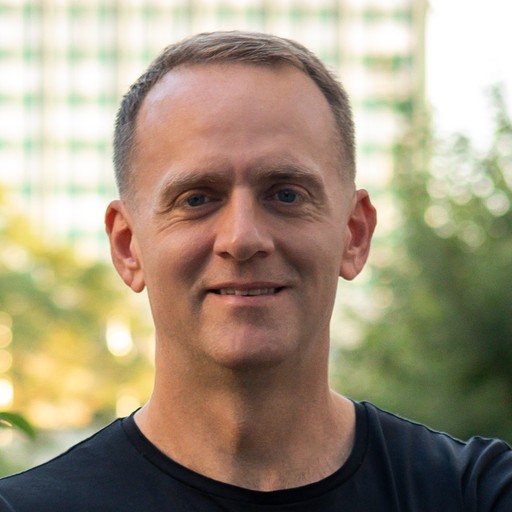
Samuel P.N. Cook (August 2026)
Founder, The Borderlands Group · Kyiv
IF THIS IS HOW YOU WORK
Then we should talk.
We tell companies not to come when that is the truth. An honest no is cheaper than a wasted year.